

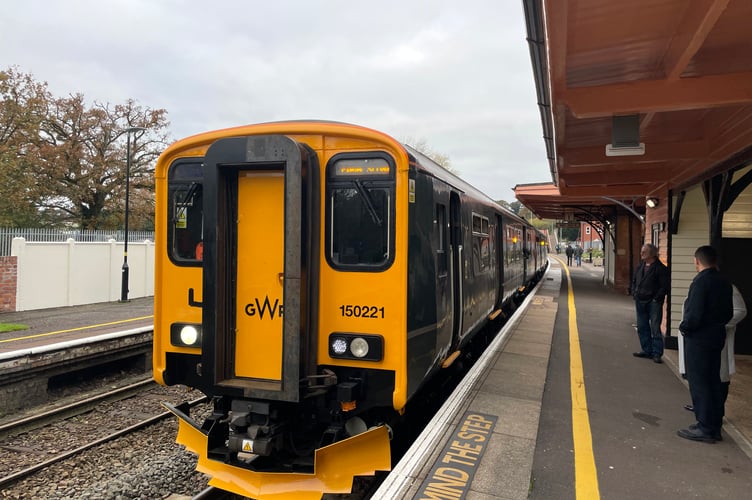
RNIB research shows barriers exist at every step of the journey: planning, buying and managing tickets, navigating in train stations, finding staff, getting on the train safely, finding a seat, and more.
Think about having to judge the gap between the train and the platform without being able to see it clearly - it’s no wonder some blind and partially sighted people told us all these issues have combined to make them feel it’s better not to travel altogether.
It doesn’t have to be this way. Operators can play their part by training their staff on how to support passengers better and make sure tactile way-finding or better signage is introduced to make it possible to navigate more independently around stations.
Fellow passengers can make a massive difference too. From choosing to offer a priority seat or help someone safely across the gap, passengers can turn a difficult journey into an easier one.



These are the small everyday actions many people already take, and when more of us do them, it can be the difference between someone travelling with confidence or deciding not to travel at all.
Eleanor Thompson
Director of Policy Campaigns and Social Action
RNIB (Royal National Institute of Blind People)
Comments
We've recently changed our login process. If you have an account for commenting, you will need to re-register on the login window.
This article has no comments yet. Be the first to leave a comment.