

THE “rapidly moving” situation with Devon’s supply of water has prompted the county’s largest council to push the issue up the prime minister’s agenda.
Devon County Council is writing to Andy Burnham and the water minister, Emma Hardy, over fears that the situation could go “horribly wrong” for Devon if restrictions are implemented.
South West Water has applied to the government for a so-called NEUB, which is a non-essential use ban in East and Mid Devon, that would restrict water usage for certain businesses and for certain reasons.
The flurry of activity comes as parts of England have been confirmed as having severe pressure on water reserves, and the Environment Agency confirming 10 areas of England are in drought status.
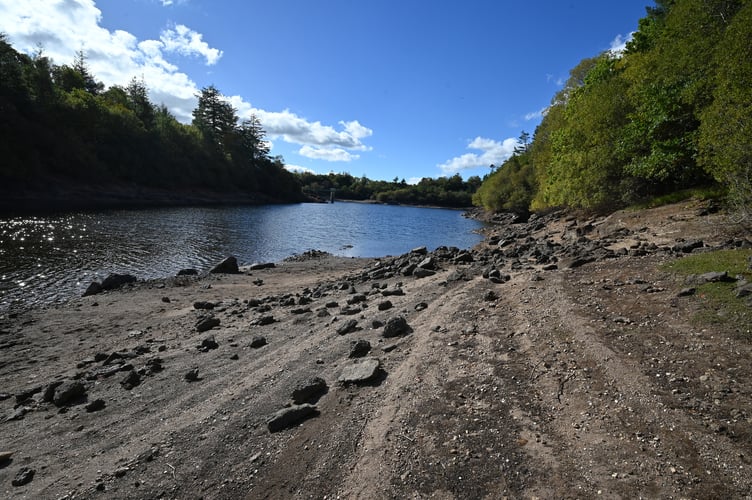
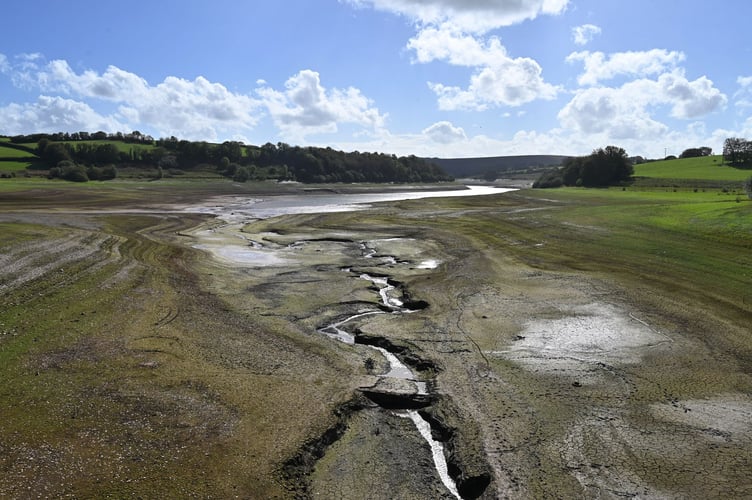
Reservoir levels in Devon are also severely depleted, with Wimbleball Reservoir on Exmoor showing it is at 14.9 per cent capacity, while other major reservoirs are also low, including Roadford in Devon at 36.8 per cent.
The issue emerged at Devon’s cabinet this week (Wednesday 14 October), with the county council’s leader, Councillor Julian Brazil (Liberal Democrat, Kingsbridge) stating that he wanted Westminster to urgently address the water situation in Devon.
Some of the county’s reservoirs are significantly depleted after the warm summer, and with dry conditions continuing, they aren’t being replenished.
“It is a rapidly moving situation and we need to make a measured and comprehensive response, including writing to the PM,” Cllr Brazil said.
“If things go horribly wrong, it will be the county picking up the pieces, so we need to make sure we are in the right position.



“As we are in category 3, SWW has the option of applying for a non-essential water use ban, but while the use might be viewed as non-essential, those businesses could be put out of business because of it and there is no compensation, which is unacceptable from a company that pays millions of pounds in dividends to shareholders.”
SWW applied for a NEUB earlier this month, but the firm has confirmed that it can take at least 28 days for a decision to be made.
Under its FAQs section surrounding NEUBs, it states: “Drought Orders do not generally provide compensation for customers affected by restrictions on water use.
“The purpose of the restrictions is to protect essential public water supplies during periods of severe drought.”
Data from SWW shows reservoir levels are not quite as low as those hit in 2022, which was considered a dry year, however, they appear to still be trending down rather than witnessing a seasonal uplift.
SWW has a drought plan, and is currently consulting on a new one for the 2027-2032 period.
The firm said the dry summer of 2026 had meant that river levels are very low, and reservoir levels are lower than normal.
“Even with some rainfall, water resources will take a while to recover,” its website states.
“We are continuing to monitor our water resources closely, and we thank all our customers who have taken steps to reduce their water use over the summer.”
It added it continued to monitor the county’s water resources closely, and thanked customers for reducing their water usage.
“Our teams are working hard to deliver major leakage reductions, which is already having an impact, and we’re continuing to support customers with free water-saving devices and proactive water saving advice,” it added.
Comments
We've recently changed our login process. If you have an account for commenting, you will need to re-register on the login window.
This article has no comments yet. Be the first to leave a comment.