
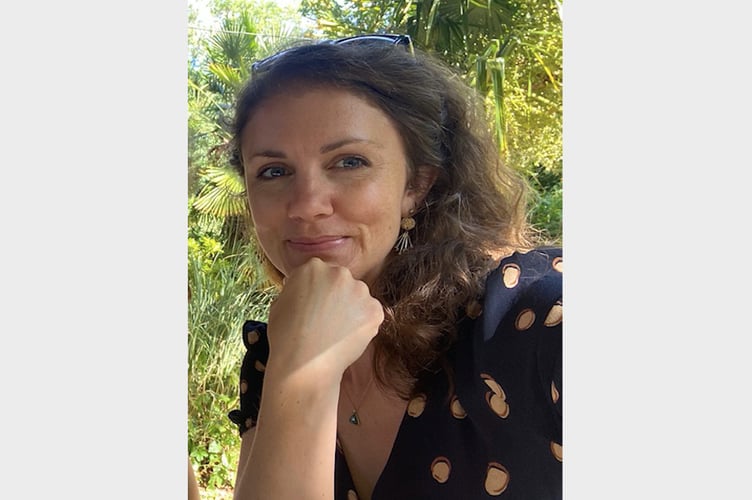
AUGUST marked two significant things in my life — the birth of my second daughter, and the death of one of the world’s great truth-tellers.
His name was Wendell Berry, he was a farmer and author, and his words and ideas have influenced my life deeply.
He farmed land in Kentucky that his family had worked for generations, and wrote about it and many other things in a way that unsettled people.
He took aim at industrial agriculture and at a culture that treats the earth as a resource to use up rather than a gift to tend.
He wrote that the earth doesn't belong to us; we belong to it, and it’s what we all have in common.
“The soil is the great connector of lives, the source and destination of all” he wrote.
When so many influences tell us to build our lives on convenience and speed, his ideas and the way he lived tell us we might build them on something else.
Berry’s challenge to readers never turned into contempt. He paired his conviction and clarity with tenderness and kindness, telling the truth about damage without giving up on those who do the damaging.
That's a gift, and a perspective that Christianity also calls us to, though Berry saw himself as an edge-dwelling Christian; one who argued with his own tradition as often as he leaned on it.
I think the best expressions of faith hold a similar hope: that truth and grace can work together, that justice and gentleness are not mutually exclusive.

He also believed that heaven is not somewhere else. For Berry, if we long for paradise, we would do well to look for it here - in a hedge, a river, a well-tended field - rather than waiting for it somewhere beyond the sky.
That's not a rejection of the hope of heaven, but rather, an insistence that this earth is not a waiting room.
It was formed with love, and we are asked to cherish it. “Earth is the only heaven we have clear word of” wrote Berry. “If there is another, it can only be this one more fully known."
After a summer of heatwaves, crop failures, water shortages, and wildfires, Berry's insistence that we live within limits, paying attention to a place and what it can bear, feels like wise instruction.
I think of this too as my daughters grow, and as children go back to school this week - I think Wendell would have wanted them taught to read a hedgerow as carefully as a page, and to know their neighbours as much as their favourite TV shows.
Wendell Berry lived out deep truths and a moral clarity on a Kentucky hillside, and in his essays, novels and poetry.
He is gone now, but his fields and his words remain, and they ask me - just as my faith does, just as my newborn does - to pay attention to creation and its people, and to love it all a little better.
Elizabeth Lloyd
Crediton Congregational Church
Comments
This article has no comments yet. Be the first to leave a comment.