

IN the South West, 73.8% of eligible women are now up to date with their breast screening under the programme’s three-year standard, up 1.2 percentage points on last year.
New figures released this month show that in 2024 to 2025, 531,670 women in the region aged 50 to 70 attended screening within six months of invitation.
The data also shows that almost 2,200 cancers (2,194) were detected – 9.3 cases in every 1,000 women screened. This is up almost 17% on the previous year, when 1,822 cancers were diagnosed through NHS breast screening.
By detecting these cancers through screening, more women were able to access treatment earlier, when there are more options available and treatment is more likely to be effective.



Despite this progress, the latest statistics from the NHS Breast Screening Programme show that over a quarter of eligible women in the South West did not take up the offer of screening.
Local screening services are working with NHS England South West to improve uptake and in October 2025, to mark Breast Cancer Awareness Month, NHS England South West also teamed up with breast cancer survivor Louise Butcher, known as The Topless Runner, to help promote breast screening and checking your breasts.
Dr Matthew Dominey, Consultant in Public Health and Screening and Immunisation Lead for NHS England South West said: “We know breast screening can save lives. In 2024 to 2025 our breast screening programme in the South West detected almost 2,200 cancers, helping those women access treatment earlier when it is more likely to be effective.
“If you receive an invitation for your breast screening, please come forward. It can be daunting, but the screening appointment is quick and our screening practitioners are trained to help you feel comfortable and supported.”
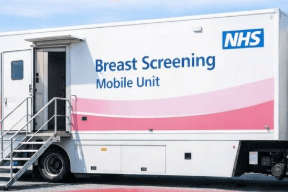
Women aged 50 up to the age of 71 are invited for breast screening every three years, with appointments provided locally through clinics and mobile units.
Breast screening does have some risks. Some women who have screening will be diagnosed and treated for slow-growing breast cancers that may never otherwise have been found or caused them harm. Mammograms also do not always find a cancer that is there, but most people feel the benefits of breast screening outweigh the possible risks.
Comments
We've recently changed our login process. If you have an account for commenting, you will need to re-register on the login window.
This article has no comments yet. Be the first to leave a comment.