

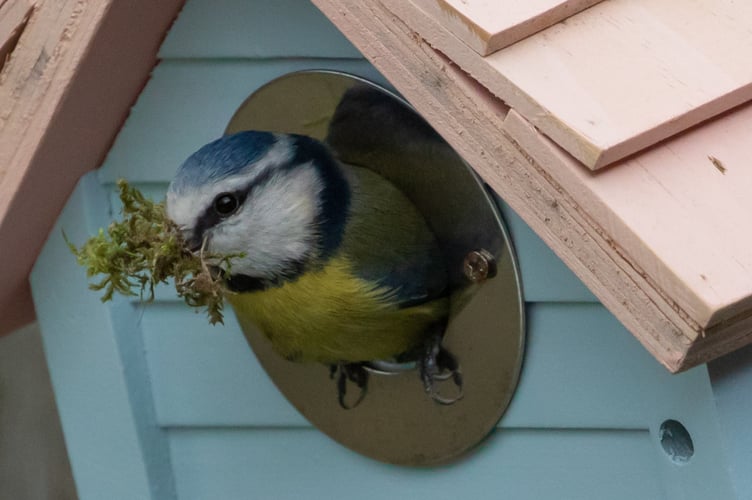
WITH Britain a nation of bird lovers, National Nestbox Week (February 14 to 21) highlights the growing challenge facing our feathered friends who are increasingly short of nesting holes in urban environments.
The loss of trees, natural borders and traditional nesting sites means supporting our avian visitors has never been more critical.
The team at British Garden Centres has put together a comprehensive guide on choosing the right nestbox to help our feathered friends thrive.
Choosing the right nestbox



Not all nestboxes are created equal, and selecting the right one is crucial for attracting specific birds. Nestboxes generally fall into two categories: those with an entrance hole, which protect from predators, and open fronted boxes. Look for nestboxes with holes for smaller birds like the tit family, nuthatches, redstarts, and sparrows. A 25-28mm hole is ideal for tits and tree sparrows, while a 45mm hole suits larger birds like starlings, doves, jackdaws and blackbirds. Open-fronted boxes attract robins, wrens, wagtails and song thrushes.
Material matters too, so choose nestboxes made from insulating material like wood to combat the unpredictable UK weather, with walls at least 15mm thick. Look for nestboxes that have an internal floor that is a minimum of 130 square centimetres to provide ample space for nesting. It is important that the boxes have drainage holes in the bottom and a sloped roof to keep them dry.
Positioning your nestbox
Bird boxes should be mounted high up, away from predators like cats, on walls, tree trunks, fences and pergola posts. Boxes with holes are best placed around three metres high in trees, ideally camouflaged by foliage, while open-fronted boxes can be at head height. Avoid direct sunlight and face nestboxes north or east, and make sure you space out multiple boxes if you have them to prevent territorial disputes.
Nestbox maintenance
Cleaning bird boxes at the end of each nesting season prevents disease spread. October or November is ideal for cleaning nestboxes.
Choose nestboxes with an accessible roof or side hatch. Always wear rubber gloves, use boiling water for cleaning, and compost any old nesting material you find. Make sure you thoroughly inspect boxes for damage and avoid disturbing active nests during breeding season.
How to attract birds to your garden
Installing a nestbox is just the first step in creating a bird friendly garden, and there are many other ways that you can attract our feathered friends to your outdoor space. Plant for birds by choosing native hedging such as hawthorn and holly, which provide natural nesting sites and food, along with berry producing shrubs that offer autumn nutrition and sunflowers that provide natural feeding opportunities.
As well as plants, it is ideal to provide year round food through supplementary feeding, which is particularly important during breeding season. Hang feeders that offer sunflower hearts, mealworms, suet products, and peanuts to support birds' nutritional needs. Water is also essential, so maintain a shallow birdbath that is regularly cleaned to attract numerous species and help maintain their feather condition.
You can reduce hazards by using window decals to prevent collisions, keeping cats indoors during dawn and dusk when birds are most active, and avoiding pesticides that can harm birds and their food sources.
Finally, leave areas wild by allowing seed heads to stand, creating log piles, and letting lawn patches grow longer to encourage invertebrates that nestlings depend on for food.
Paul Williams, Bird Care Buyer at British Garden Centres, said, “National Nestbox Week is the perfect opportunity for people to make a real difference to local bird populations. Engaging with nature and helping the birds in your garden live healthy lives is an important aspect of our living environment.
“Introducing a nestbox to your garden can significantly improve a bird's quality of life and is just as essential as a feeder or bird bath in your outdoor space.”
British Garden Centres has a wide selection of bird care products available at all garden centre locations and online at www.britishgardencentres.com
British Garden Centres (BGC) is the UK’s largest family-owned garden centre group with 75 centres around the country. The group is owned and led by the Stubbs family, who also own and operate Woodthorpe Leisure Park in Lincolnshire. BGC was launched in 1990 with the opening of Woodthorpe Garden Centre by brothers Charles and Robert Stubbs. Since 2018, it has expanded rapidly with the acquisition of 50 garden centres, allowing it to grow from its heartland to the business it is now, with 75 garden centres spread from Carmarthen to Ramsgate, Wimborne to East Durham.
Comments
We've recently changed our login process. If you have an account for commenting, you will need to re-register on the login window.
This article has no comments yet. Be the first to leave a comment.