
WHEN plans for new homes come forward anywhere in Devon, you’d bet your house on there being fears about a lack of services to cater for the new residents.
Whether it’s capacity in the local primary school, the ability for the GP surgery to cater for more patients, the roads to deal with additional traffic, whether the sewers can cope with the extra demand, or any number of other fears, there’s often some concern about the ability of the local area to cope with an inflated population.
Housing developers pay money into a pot overseen by the relevant planning authority, the purpose of which is to help fund the types of improvements that help improve local areas, and make them more resilient in the face of new homes.
One of the more well-known routes councils use to secure funds from developers is called Section 106, however, this routinely relates specifically to improvements on the development itself – such as play parks, cycle paths or new road junctions.
But the other one – known as CIL, or community infrastructure levy – is the one that a constant, circular argument appears to persist.
Residents don’t feel that they can see enough being spent on the infrastructure around them, developers are irked because they don’t believe their contributions are being used, and councils say they routinely allocate funding and don’t sit on it.
Out of the 10 Devon councils that can charge developers CIL, only half do.
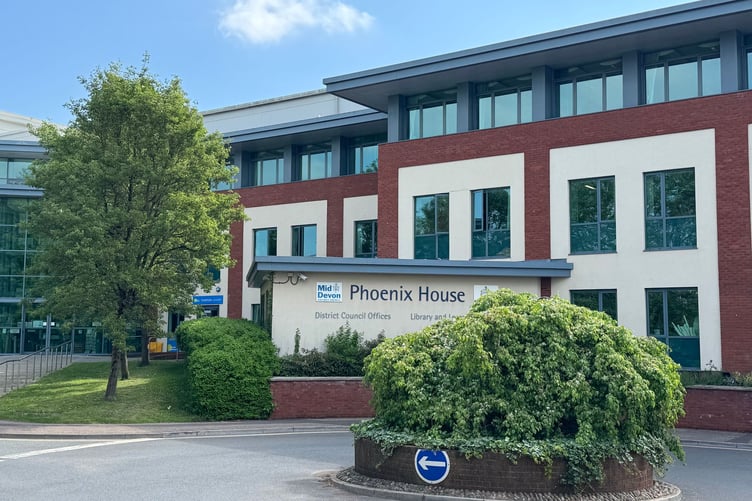
Interestingly, Mid Devon District Council said a decision was made in 2021 not to pursue CIL, but that as it embarks on drafting its forthcoming local plan, this could change.
“While there is an opportunity for the council to prepare a new draft charging schedule alongside the plan, the merits of this will require careful consideration,” a spokesperson said.
“Meanwhile, the council can require developer contributions towards helping to secure affordable homes and infrastructure through S106 planning obligations.”



Up in North Devon, it too eschewed the opportunity to charge CIL, and has instead stuck with Section 106 agreements.
“The decision reflected a range of considerations at the time, including the effectiveness of the existing Section 106 approach in securing site-specific mitigation and infrastructure contributions, the viability of development within the area, and the practical implications of introducing and administering a CIL regime,” a spokesperson said.
“Developers contribute to North Devon’s local infrastructure, including healthcare, highways, education and public open space through Section 106 contributions.”
That decision could centre on the fact Section 106 usually relates to the development itself, whereas CIL asks developers to contribute to a pot that the respective council then decides where it should be spent.
Several of the county’s most senior political figures – including David Reed MP (Exmouth and Exeter East) – are pushing for an “infrastructure-first” approach when it comes to housebuilding.
With all of Devon’s CIL allocated, yet seemingly outsized demand for it, the public might well be looking to politicians of all levels to see how that gap, which likely exists in all areas, can be filled.
Comments
We've recently changed our login process. If you have an account for commenting, you will need to re-register on the login window.
This article has no comments yet. Be the first to leave a comment.