

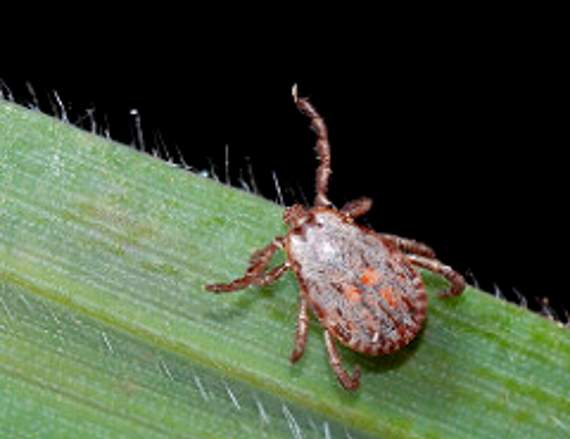
AS the summer months return and people spend more time enjoying the countryside, Public Health experts in Devon are encouraging the public to be “tick aware”.
Ticks are small spider-like creatures that feed on the blood of animals, including people. They are found in woodland, grassland and moorland where there is a dense vegetation layer and can be found in some urban parks and gardens.
Ticks don’t jump or fly, but they attach themselves to animals or people as they brush past something the tick is on. Adult ticks are more active in late spring and summer.
Some ticks may carry an infection which can be passed on through a bite, including Lyme Disease. Not all ticks carry Lyme-causing bacteria and not all bites from an infected tick result in Lyme Disease.



Lyme disease can be treated effectively with antibiotics, but if it is not treated or if there is a delay in treatment it can lead to complications.
Mild flu-like symptoms including fever, headache and tiredness. Sometimes people develop a “bulls-eye” rash but not everyone develops this rash.
There are some simple steps to reduce the chances of getting a tick bite:
• Walk on clearly defined paths to avoid brushing against vegetation;
• Wear light colour clothing so you can see ticks and brush them off;
• Use an insect repellent that can repel ticks and
• Wear long trousers and long-sleeved tops to reduce the direct exposure of ticks to your skin.
Anyone who feels unwell after a tick bite should contact their GP and remember to tell them you have been bitten by a tick.
For more information about ticks visit the NHS Choices website www.nhs.co.uk .
Comments
This article has no comments yet. Be the first to leave a comment.