

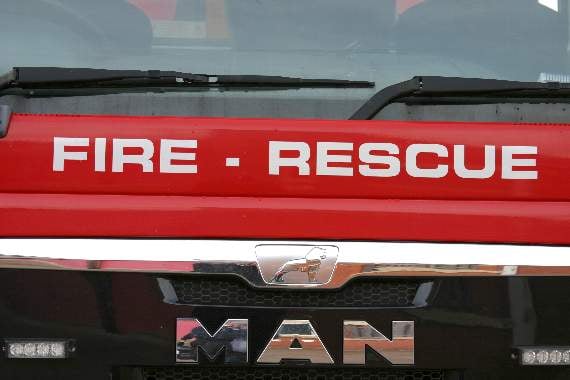
AS evening temperatures drop and homeowners light the first fires of the season, leading rural insurer NFU Mutual is urging people to ensure their chimney is checked first to prevent a house fire.
Latest figures from NFU Mutual reveal that the average claims cost for a chimney fire rose by 23 per cent last year.
The insurer, along with Devon and Somerset Fire and Rescue Service, has warned that unswept chimneys, using the wrong fuel and incorrect use of wood burning and multi-fuel stoves can contribute to a chimney fire.
Chris Roberts, Regional Manager for the South West at NFU Mutual, said: “We’d urge anyone with a multi-fuel stove, woodburner or open fire to ensure their chimneys and flues are kept clear, well maintained and swept on a regular basis by a professional chimney sweep.”



He added: “Sweeping at this time of year not only removes the harmful build-up of tar and soot, but also clears twigs and nesting material left by birds over the summer months. Changes in temperature from a long dry spell, to a sudden drop in temperature can also increase the risk of fire for properties with a thatched roof, as the roof material is dry and more combustible.”
Alan Gilson, Community Safety Prevention Manager for Devon and Somerset Fire and Rescue Service, explains: "All chimneys and flues need to be regularly cleaned and checked to ensure they’re free from debris and in full working order. A blocked or defective chimney can cause both chimney fires and carbon monoxide poisonings.
"If the worst should happen, working smoke alarms can give you an early warning, make sure you have at least one smoke alarm on every level of your home and test them monthly. Also do you have family, friends or a neighbour who may need your help to test their smoke alarms and carbon monoxide alarms?"
The insurer has warned that wood burning or multi-fuel stoves, which reach high temperatures, can increase the risk of fire with thatched properties, as they send more live sparks and embers out of the chimney.
Homeowners should also avoid burning waste paper on the fire and ensure that they only burn seasoned, correctly stored hardwood and use the stove according to manufacturer instructions.
The trend for using stoves all-year-round means more regular sweeping may be required.
NFU Mutual has provided a checklist to help protect your property:
• Chimneys should be routinely checked or surveyed to ensure that they are structurally sound, well maintained and able to cope with the demands of modern heating appliances;
• Your chimney should be swept by a professional chimney sweep at least twice a year if it is in use frequently or all year round;
• Your chimney lining should also be regularly inspected, especially when the main fuel is wood, as tar deposits are highly combustible and corrosive. A qualified chimney sweep should be able to identify potential problems at an early stage;
• Only burn seasoned hardwood;
• Speak to your local fire safety officer for further advice about fire prevention;
• Fit a bird guard to deter birds from building nests in your chimney;
• Check the electrical system throughout your home.
Devon and Somerset Fire and Rescue Service has provided sweeping guidelines:
Sweeping frequencies below are for guidance only. Frequency will depend on a number of factors including: type of fuel, appliance used, duration of use, moisture content of wood fuel, type of chimney.
• Smokeless coals - at least once a year
• Wood - up to four times a year
• Bituminous coal - twice a year
• Oil - once a year
• Gas once a year.
Comments
This article has no comments yet. Be the first to leave a comment.