
MORE than £25 million has been raised by Devon’s councils through double-charging council tax on holiday homes.
Devon’s councils began charging a 100 per cent premium on holiday homes last year.
Supporters of the policy of double-charging council tax claim the extra money helps make local services more sustainable because high amounts of pressure are put on the likes of roads and refuse collections during the tourist season.
The ostensibly lower number of permanent residents caused by holiday homes also means there are fewer people to pay towards the upkeep of those services, those same proponents claim.
The biggest winners in terms of councils that collect the second-homes premium are arguably Torbay Council and Plymouth City Council. That’s because they are unitary councils, meaning they don’t have to pass any of what they have collected to a more senior authority.
Torbay collected more than £2.8 million in the first year of the second homes premium, while Plymouth bagged around £1.6 million. Some of that will go to the police and fire services – and Brixham Town Council in Torbay’s case – but that’s fewer proverbial mouths to feed than Devon’s district councils and Exeter City Council.
South Hams District Council collected around £7.6 million in second homes premium, but keeps just £603,000 as the vast majority goes to Devon County Council, with shares also due to the police and fire services, and parish councils too.
East Devon District Council was the next biggest collector, at around £5 million – above an estimate of £4.7 million – but it keeps just 7 per cent of this to help fund its services, with about 73 per cent heading to County Hall.
North Devon Council raised more than £3.4 million, but will keep just £353,000 compared to an earlier estimate of £420,000, while Torridge District Council collected £2.5 million – slightly below an estimated £2.6 million.
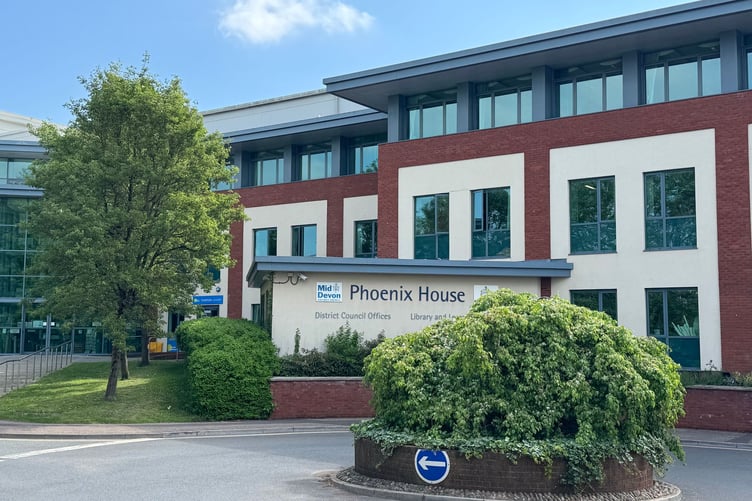
The rest of Devon’s councils – Exeter City Council, West Devon District Council and Mid Devon District Council – collected sub-£1 million meaning the amount they each keep will be under £100,000.

Teignbridge District Council said it could not provide figures because it was reviewing the impact of the premium, which would be discussed at a meeting in September.
Even though it doesn’t collect any council tax, Devon County Council receives the lion’s share of what residents pay.
That’s because its responsibilities include adult social care, which county councils and unitary councils can add two per cent onto council tax bills each year to help cover the costs of the service.
Curiously, the county council is not directly responsible for housing, which leads to critics of the second homes premium claiming little if any of the cash helps with housing needs.
And in areas of Devon where holiday homes are more prevalent, the price tags of such properties even if they did come on the market may well be unaffordable for people on average salaries locally.
Comments
We've recently changed our login process. If you have an account for commenting, you will need to re-register on the login window.
This article has no comments yet. Be the first to leave a comment.