

FEBRUARY is unfolding. We’ve passed the midpoint between winter solstice and spring equinox.
In older traditions, this moment was celebrated as “Imbolc”; a recognition that even in the depths of winter, light is returning.
Walking through local lanes these past weeks, I've noticed more than just potholes (!) — I’ve noticed how the natural world persists in offering signs of hope.
Snowdrops and daffodils push through cold, muddy ground; birdsong is louder; the days are longer even if the cold and rain make us forget it.



There's something I find reassuring about this natural rhythm, especially when the human world can feel uncertain.
We're living through times that can feel fractured and anxious — communities divided, news cycles relentless, leaders with seemingly little integrity. It's easy to feel overwhelmed, to hunker down and wait for better days.
But the incremental signs of spring remind me that transformation rarely announces itself with fanfare. Change comes slowly, almost imperceptibly.
The snowdrop doesn't wait for conditions to be perfect, it just grows and honours the way it was made, even when it is surrounded by rain and mud.
This resonates with something central to the Christian story — the idea that hope often emerges in unexpected or less-than-ideal places, among ordinary people doing ordinary things with love.
The gospel accounts are full of seeds and growth, of small beginnings leading to abundant harvests. Jesus often spoke in agricultural metaphors that his listeners would have understood instinctively: that faith, like farming, requires patient attention to small things.
I think community requires a patient attention to small things, too. I think a lot about what it means to be in community in uncertain times.
I think in part it is about not offering easy answers or retreating into certainty, but creating space where people can bring their questions, worries, and hopes.
A space to practice the messy, unpredictable work of showing up for one another because we’re made for relationship; like the snowdrops and daffodils showing up regardless of the frozen ground because they’re made to bloom.
Perhaps that's what this season offers us: encouragement to begin, and to step into our real selves — individually, and in community — even when it’s hard or we can't see the full picture.
To notice the small signs of growth around us, and trust that light is returning, even when darkness feels dominant.
The poet, author, and farmer Wendell Berry writes about "the peace of wild things" who do not anticipate their lives with anxious thoughts.
I think there’s wisdom in this — not in ignoring the challenges we face, but in remembering we're part of something larger and slower than news cycles and social media feeds.
As we move toward spring, perhaps we might pay attention to these natural rhythms, letting the incremental return of light encourage us, and remembering that our individual and collective blooming, like farming or gardening, requires patient tending too.
May the snowdrops, the daffodils, and the great wide world remind us that patience, persistence, and hope matter more than we know.
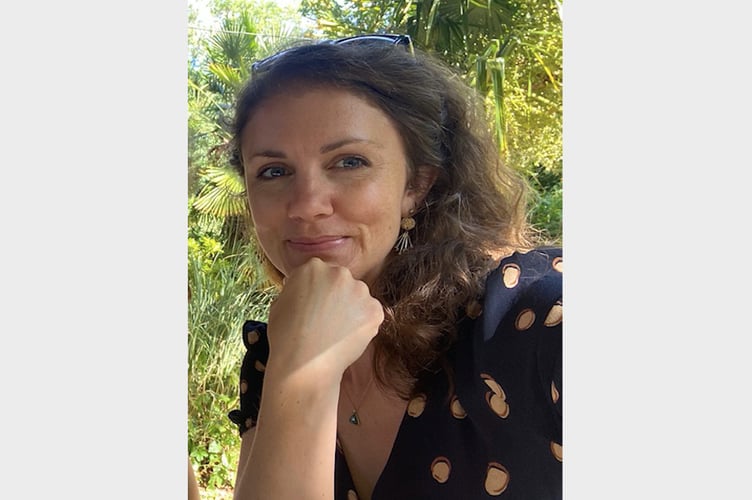
Elizabeth Lloyd
Crediton Congregational Church
Comments
We've recently changed our login process. If you have an account for commenting, you will need to re-register on the login window.
This article has no comments yet. Be the first to leave a comment.