
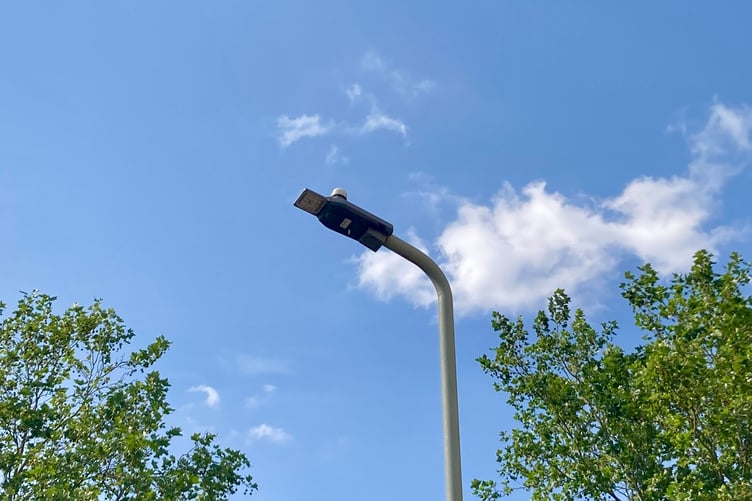
THE go-ahead has been given for a Devon council to develop a policy that would allow 5G technology to be installed on lampposts.
Poor connectivity in Devon is a persistent issue, and the thrust behind the argument for allowing mobile operators to install small-cell 5G equipment on the likes of lampposts could be one way to improve things.
Devon County Council’s decision-making cabinet approved the policy, even though there were some concerns about whether operators would just target relatively well-served areas but continue to ignore those with very little or no 5G connection.
A report prepared for the cabinet said Devon’s economy could be boosted by £15 to £22 billion by 2035 if 5G connectivity were better.
It also stated that the council could potentially earn £300 to £350 for every lamppost equipment was installed on, albeit it was stressed this wasn’t the key driver of the policy.
Devon’s cabinet has been cautious on 5G historically, with a 2019 decision opting to press the brake pedal until more was known about the potential health implications of 5G.
But with the most recent research showing little concern at present, most cabinet members felt now was the time to press ahead.
Councillor Cheryl Cottle-Hunkin (Liberal Democrat, Torrington Rural), has led on the issue, and said the issue of poor connectivity was “raised fairly regularly” by constituents.
While most members were in agreement, Councillor Jacqi Hodgson (Green Party, Totnes and Dartington) still had reservations about the potential health concerns and said she wouldn’t be supporting the motion.


Councillor Michael Fife Cook (Reform UK, Yelverton Rural), the leader of the Reform UK group on the council, said promises for rural broadband connectivity hadn’t been fully met, and so he hoped if the same occurred with 5G provision on lampposts, that the council would look at all other ways to ensure rural connectivity.
Comments
This article has no comments yet. Be the first to leave a comment.